Understanding Botanical Aids for Articular Health
Explore the educational foundations of how natural botanical compounds support joint well-being and flexibility. Educational content only. No promises of outcomes.
The Science of Botanical Support
Antioxidant Properties
Natural plant compounds contain diverse molecular structures that interact with biological systems in various ways. Understanding how these compounds function at a cellular level provides insight into why certain botanicals have been valued across different cultures and historical periods.
Structural Support
Botanicals contain nutrients that contribute to the body's natural maintenance processes. These compounds work within the body's own systems to support normal physiological functions, particularly those related to connective tissue health and joint flexibility.

Key Natural Ingredients Explained
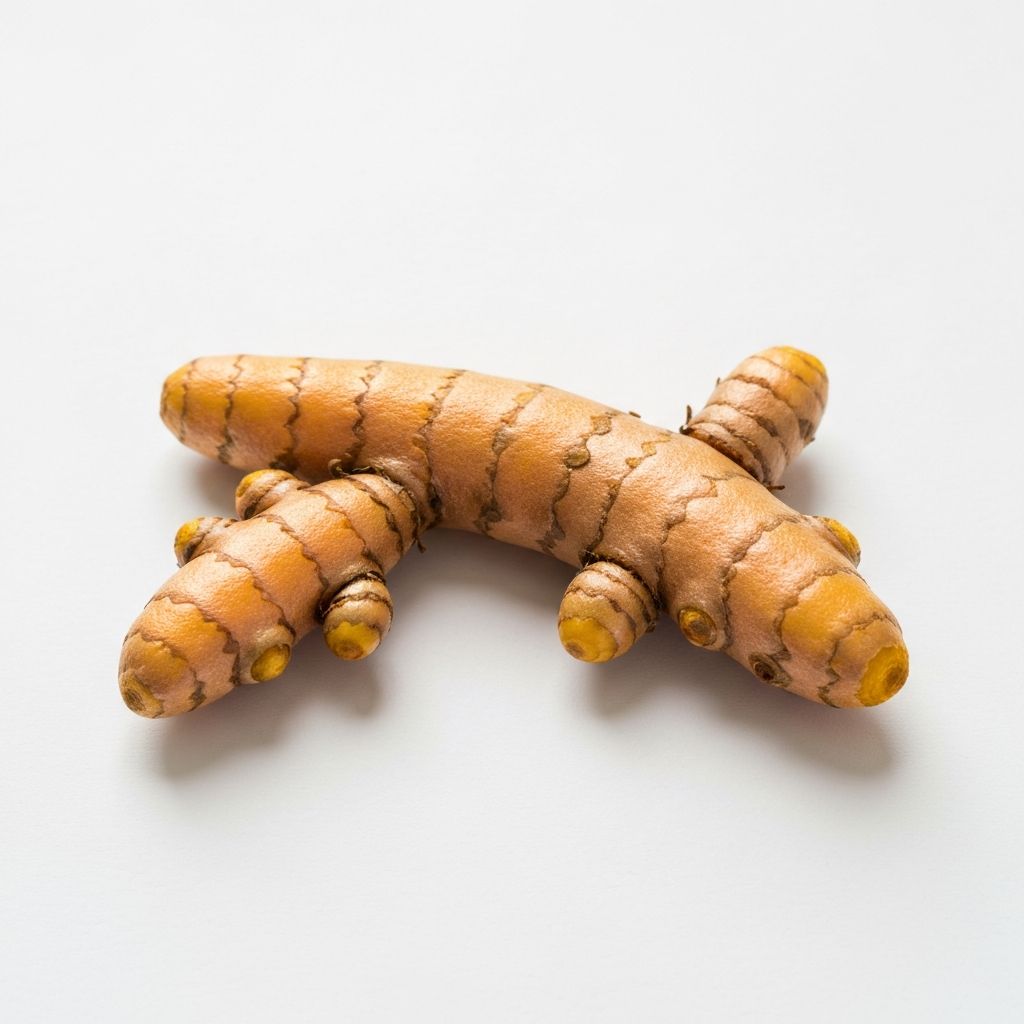
Turmeric
Turmeric has been utilized for centuries in traditional practices. The active compounds in turmeric rhizome contribute to supporting normal body functions and maintaining comfortable movement patterns.
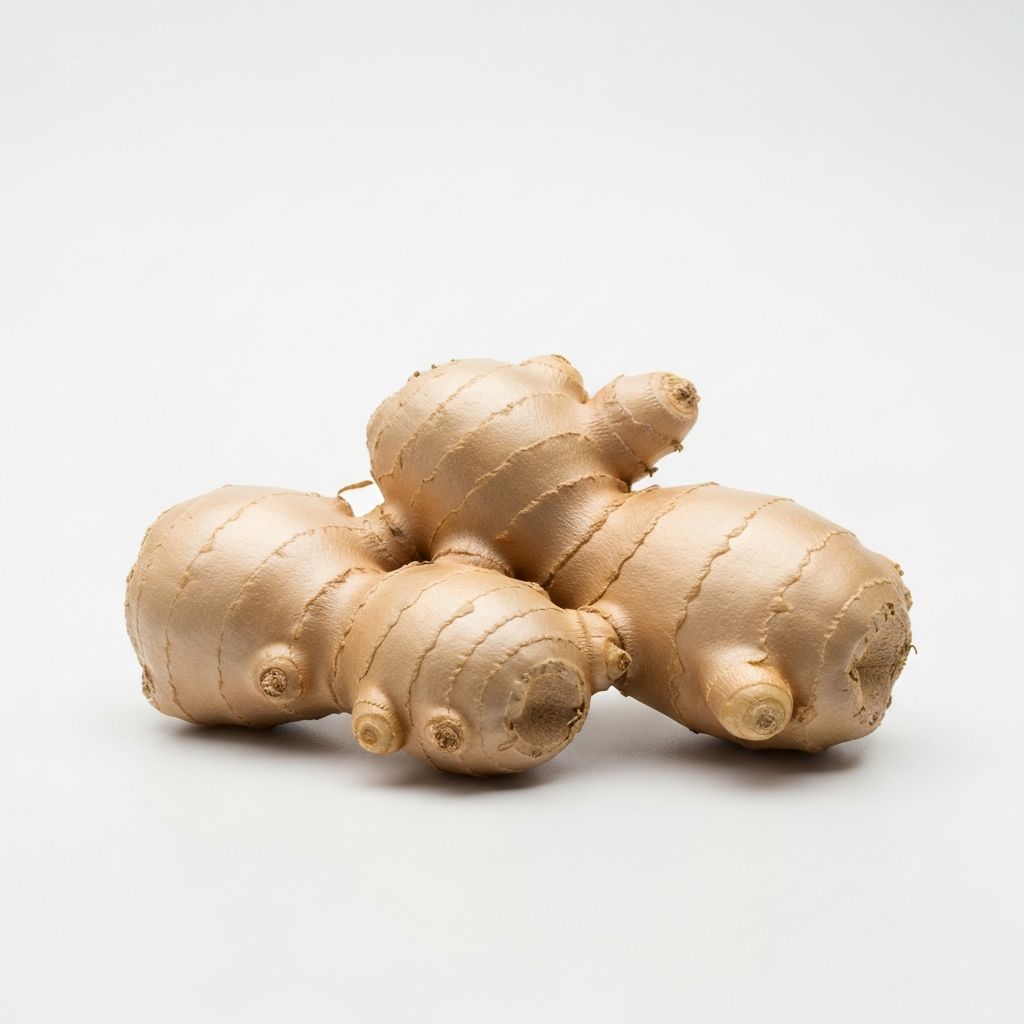
Ginger
Ginger root contains compounds that support the body's natural response systems. Traditional uses across Asian cultures highlight ginger's significance in maintaining overall wellness and supporting an active lifestyle.
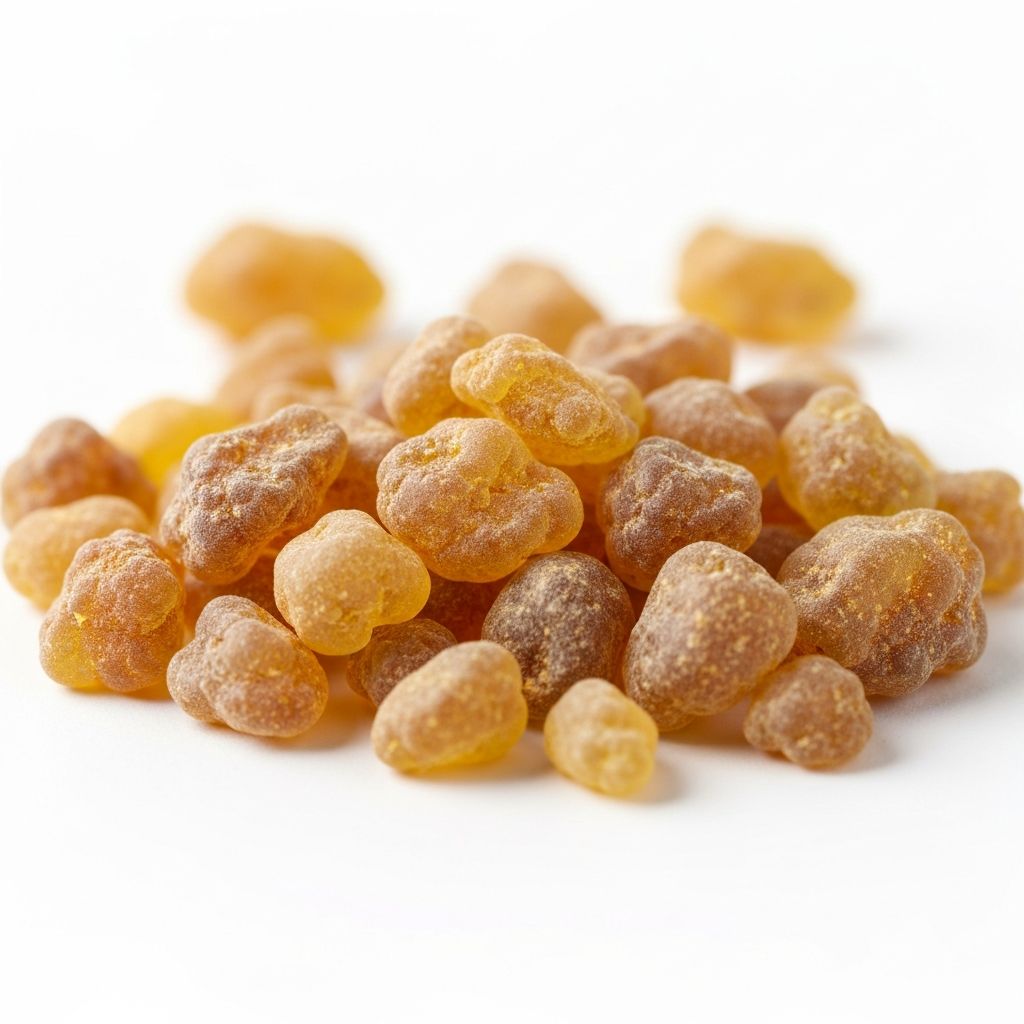
Boswellia
Boswellia resin, derived from tree bark, has been valued in traditional Ayurvedic and Middle Eastern practices. The compounds it contains support the body's natural mechanisms for maintaining joint comfort and mobility.
Maintaining Joint Flexibility
Lifestyle Factors for Joint Health
Joint health and flexibility are multifaceted aspects of overall well-being. Supporting joint comfort involves consideration of several interconnected factors that work together to maintain mobility and ease of movement.
Physical Activity
- Gentle movement like walking, yoga, and stretching supports natural joint lubrication
- Regular moderate activity maintains muscle tone that supports joint stability
- Consistency in movement patterns contributes to sustained flexibility
- Individual activity levels should align with personal comfort and ability
Balanced Nutrition
- Nutrient-rich foods provide building blocks for connective tissue maintenance
- Adequate protein intake supports muscle and tissue health
- Minerals like calcium and magnesium are essential for bone and joint structure
- Antioxidant-rich foods support the body's natural defense mechanisms
Hydration and Rest
- Adequate water intake maintains cartilage hydration and elasticity
- Quality sleep supports tissue repair and recovery processes
- Regular rest periods allow the body to maintain homeostasis

Understanding Cartilage Health
Cartilage is a specialized connective tissue that plays a crucial role in joint function. It provides cushioning between bones and allows for smooth movement. Understanding its composition and function helps explain why nutritional support is important for joint well-being.
Cartilage Structure and Function
Cartilage is composed primarily of water, collagen, and proteoglycans. These components work together to create a resilient, flexible tissue that can withstand mechanical stress while maintaining mobility. The maintenance of cartilage integrity is essential for long-term joint health.
Nutritional Support for Cartilage
Natural dietary components including collagen precursors, minerals, and phytonutrients contribute to the body's ability to maintain and support cartilage structure. A comprehensive approach to joint health includes attention to nutritional foundations.
The Role of Diet in Articular Well-being
Nutrition plays a foundational role in supporting overall joint health and flexibility. A balanced, nutrient-dense diet provides the raw materials the body needs to maintain healthy connective tissues and support an active lifestyle.
Key Nutrient Categories
- Proteins: Essential for collagen synthesis and muscle support
- Healthy Fats: Support anti-inflammatory processes and nutrient absorption
- Minerals: Calcium, magnesium, and zinc support bone and connective tissue health
- Vitamins: Vitamin C, D, and others support collagen formation and immune function
- Phytonutrients: Plant compounds with antioxidant properties support the body's natural defense systems
Whole Foods Approach
Emphasizing whole, minimally processed foods provides the body with complex nutrient profiles. Vegetables, fruits, legumes, whole grains, and natural proteins form the foundation of a diet supportive of joint health and overall well-being.
Historical Perspectives on Botanicals
Throughout human history, botanicals have played a central role in traditional medicine systems and cultural practices. Understanding this history provides context for why certain plants are valued today and what role they have played in supporting human health.
Traditional Knowledge Across Cultures
Ayurvedic medicine in India, Traditional Chinese Medicine, and Middle Eastern healing practices all incorporate botanicals for supporting joint comfort and mobility. These systems developed over thousands of years through careful observation and experimentation.
Traditional Use of Key Botanicals
- Turmeric has been used in Indian cuisine and Ayurveda for over 4,000 years
- Ginger appears in traditional texts across Asian cultures dating back centuries
- Boswellia resin was valued in ancient Egypt and remains significant in Ayurvedic practice
- Willow bark was used by various cultures for supporting comfort during physical activity
Modern Scientific Context
Contemporary research has begun to validate what traditional systems have known for centuries, examining the chemical compounds responsible for the properties attributed to these botanicals. This convergence of traditional knowledge and modern science creates a fuller understanding of how botanicals support joint health.
Decoding Supplement Labels
When exploring natural supplements, understanding how to read and interpret product labels is essential. Labels provide important information about ingredients, their concentrations, and how to use products responsibly.
Reading the Ingredient List
- Ingredients are listed in descending order by weight
- Look for recognizable botanical names alongside common names
- Standardized extracts indicate specific compound concentrations
- Other ingredients (binders, fillers) should be listed separately
Understanding Product Information
- Serving Size: Standard measurement for supplement intake
- Extract vs. Whole Plant: Different forms provide different concentrations
- Potency Information: May indicate standardized levels of active compounds
- Third-Party Testing: Indicates quality assurance by independent laboratories
Questions to Ask
- Are specific compounds standardized and quantified?
- Is the supplement free from unnecessary additives?
- Has the product been third-party tested?
- Is sourcing information provided?
- Does the serving size align with traditional usage amounts?
Frequently Asked Questions
What is the difference between joint health and overall wellness?
Joint health is a specific aspect of overall wellness that focuses on the structures—bones, cartilage, ligaments, and muscles—that enable movement. While joint health is important, true well-being encompasses physical, mental, and emotional dimensions. Supporting joint health is one component of a comprehensive approach to wellness.
How do botanicals support the body's natural processes?
Botanical compounds interact with the body in multiple ways. Some contain antioxidants that support the body's natural defense systems. Others provide structural building blocks for tissues. Many botanicals are nutrient-dense, providing vitamins and minerals that the body requires for normal physiological function. The specific mechanisms vary depending on the plant compound.
How long does it typically take to notice benefits from botanical support?
Individual responses to botanical support vary significantly based on multiple factors: current health status, diet quality, activity level, age, and consistency of use. Some people report noticing changes within weeks, while others require several months. Results depend on individual physiology and the complex interplay of lifestyle factors. Personal experimentation and patience are important when exploring botanical support.
Can botanicals replace medical care?
Botanical support is best understood as part of a comprehensive approach to health. It does not replace professional medical consultation or treatment. If you have specific health concerns, consulting with a qualified healthcare professional is essential. Botanicals can complement medical care and lifestyle modifications, but should not be used as a substitute for professional diagnosis or treatment.
Are there safety considerations when using botanicals?
While botanicals are generally considered safe, individual responses can vary. Some people may experience sensitivities or interactions with medications. It is important to source botanicals from reputable suppliers and to consult with a healthcare professional if you have existing health conditions or take medications. Quality and purity are important factors in choosing botanical products.
What is the role of lifestyle in supporting joint health?
Lifestyle factors—including physical activity, nutrition, stress management, sleep quality, and hydration—play foundational roles in joint health. Botanical support works best when combined with these lifestyle practices. A comprehensive approach that addresses all these factors tends to be more effective than relying on botanicals alone.
Glossary of Terms
Limitations and Context
The information presented on Hilax is for educational purposes only and is not intended as medical advice. It should not be used to diagnose, treat, cure, or prevent any disease. Individual results may vary, and a balanced approach to well-being often involves diverse methods. This content does not replace professional medical consultation, diagnosis, or treatment. Please consult with a qualified healthcare professional before making significant changes to your health regimen or if you have specific health concerns.